
Do you feel stuck in a constant state of low-grade anxiety, where your mind races and your body remains perpetually tense? This feeling of being “on edge” is your nervous system stuck in the high-stress, fight-or-flight mode.
The secret to quickly moving from panic to peace lies with one hidden biological pathway: the Vagus Nerve. This powerful connection is your body’s built-in emergency brake, allowing you to instantly switch your system to “rest and digest.”
In this guide, we’ll explore what the Vagus Nerve is and how simple, non-invasive techniques like breath and sound can reset your emotional baseline and promote lasting calm.
What Is the Vagus Nerve?

The Vagus Nerve (Cranial Nerve X) is the longest and most complex nerve in the body. Its name literally means “wandering,” which describes its incredible, extensive journey. Starting at the brainstem, the nerve descends on both sides of the neck, acting as the main highway that connects your brain directly to your body’s major command centers.
Its essential function is its ability to branch out to all major organs, including the throat, the heart, the lungs, and the entire digestive tract.
The Role: The Vagus Nerve is the primary controller of the Parasympathetic Nervous System (PNS). When you activate it, you signal safety to your body, slowing your heart rate, lowering your blood pressure, reducing inflammation, and optimizing digestion. When this nerve is weak or inactive, we struggle to recover from stress, and our body stays locked in high alert.
The Tone: The strength of this nerve is called the Vagal tone. A high Vagal tone means your body can quickly and easily recover from stress, improving emotional regulation and resilience. The goal of a Vagus Nerve reset is to deliberately strengthen this tone.
Breathwork: The Immediate Reset for a Calmer Nervous System
Conscious, controlled breathwork is the fastest and most direct way to activate your PNS and signal immediate safety to your brain. This is how breathwork affects vagus nerve function.
The Vagus Nerve runs straight through your diaphragm. When you intentionally breathe slowly and deeply, forcing your diaphragm to contract fully, you mechanically stimulate the nerve fibers. This sends a direct, urgent message to your brain: The threat is over; it is safe to rest.
The secret to effective Vagus Nerve breathing lies in the exhale. The simple act of a slow, prolonged exhale mimics the breath pattern of a deeply resting state, instantly forcing your heart rate down and calming the system.
Simple Technique (4-7-8 Breathing):
- Inhale quietly through your nose for a count of 4.
- Hold your breath for a count of 7.
- Exhale completely through your mouth with a whoosh sound for a count of 8.
This extended exhale is a powerful, immediate nervous system hack, providing direct and immediate regulation to reduce acute anxiety.
Sound and Vibration: Helping the Vagus Nerve for Less Stress
The Vagus Nerve has branches that innervate the vocal cords, throat, and outer ear. This makes sound and vibration non-invasive, highly effective methods for reducing stress hormones.
The simple act of creating sound, particularly low-frequency vibration, stimulates the nerve via the throat muscles:
- Humming, Singing, and Chanting: Deep humming or singing requires intentional muscle contraction in the back of the throat, which directly activates the Vagus Nerve. Practices like chanting a simple vowel can significantly increase Vagal tone over time.
- Gargling: Vigorous gargling activates the Vagus Nerve through intense throat muscle contraction and is often recommended as an immediate calming technique to interrupt an anxiety spike.
Vibrational Healing: Modalities like sound baths use specific, steady frequencies (gongs, crystal bowls) that resonate deeply with the body’s tissues. This subtle, pervasive vibration can interrupt chronic tension patterns and energetic blockages, acting as a non-invasive way to soothe the system and promote deeper relaxation.
Working with an Energy Work Expert
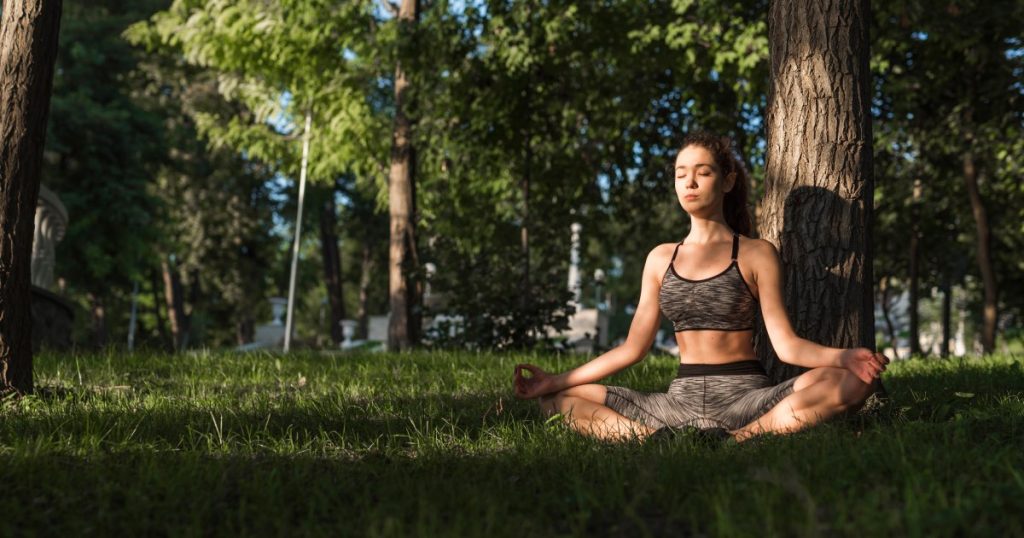
While basic breathing is highly effective, unlocking deeper, chronic tension that has been stored for years requires expert guidance. The body often holds emotional trauma and stress in specific physical areas (like the gut, hips, or jaw), and these require targeted release.
Working with a professional who uses specialized energy work techniques ensures your transformation is safe, sustainable, and powerful.
Benefits of Expert Guidance:
- Targeting Deep Blockages: Experts use somatic awareness, sound therapy, or subtle touch to target chronic areas of stored tension that are otherwise inaccessible through conscious thought alone.
- Customized Strategy: A coach identifies the right techniques (breathwork, sound frequencies, meditation) that are best suited for your unique nervous system and current life patterns, avoiding a one-size-fits-all approach.
- Accountability and Container: They create a safe and structured container for true emotional and physical release, holding you accountable to your practice so that your new, calmer state becomes your long-term reality.
Conclusion
Vagus Nerve activation is the crucial secret to moving beyond constant anxiety and establishing lasting calm. By incorporating simple tools like intentional breathwork and sound, you are taking powerful control of your nervous system and dramatically improving your resilience.
If you are ready to learn the most effective energy work techniques and accelerate your shift from stress to somatic freedom, it’s time to work with a proven specialist.
Take the next step: book a session with Dr. Petra Frese, one of the best energy work experts in the USA, to build your personalized plan for Vagus Nerve regulation and deep release.
FAQs
Q1. How quickly can I feel the effects of Vagus Nerve activation?
Almost instantly. Techniques like 4-7-8 breathing or vigorous gargling can reduce panic and slow your heart rate within 60 seconds.
Q2. What does “Vagal Tone” mean, and why is it important?
Vagal Tone is the nerve’s strength and speed in recovering from stress. High tone means faster recovery, leading to better emotional resilience.
Q3. Are there other easy energy work techniques besides breathing?
Yes. Humming, singing loudly, chanting, or briefly exposing your face to cold water are all effective ways to stimulate the nerve.
Q4. Why is the exhale more important than the inhale for calming the nervous system?
The long, slow exhale is what directly activates the Parasympathetic Nervous System, signalling immediate relaxation and slowing your heart rate.
Q5. How do I know if I have a weak Vagal Tone?
Signs include chronic anxiety, poor stress recovery, persistent digestive issues, or often feeling “on edge.”